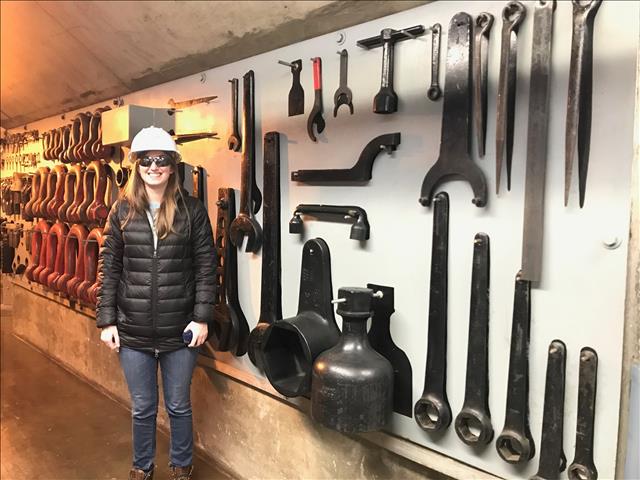
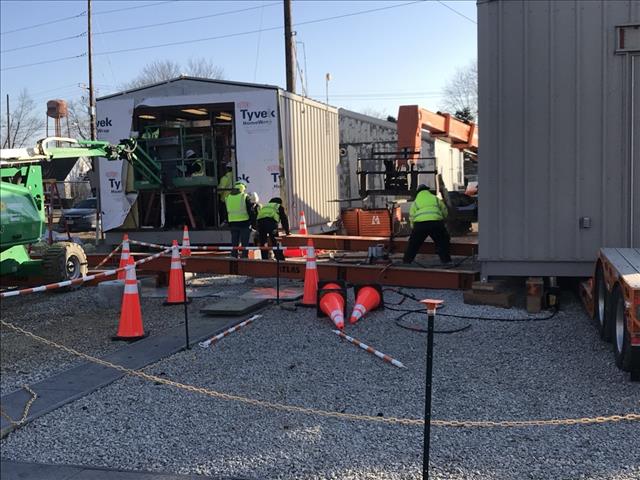
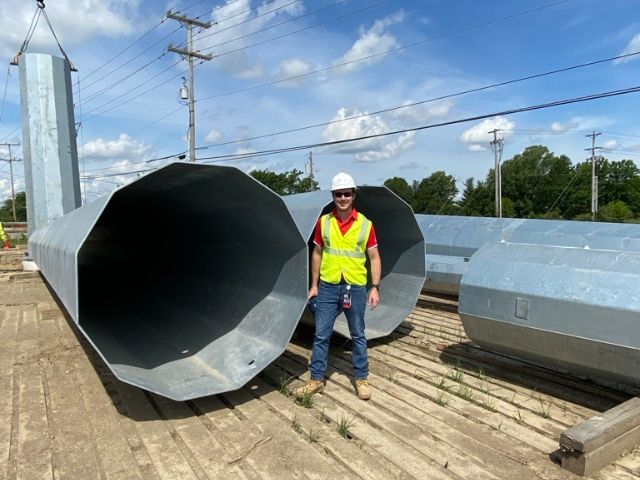
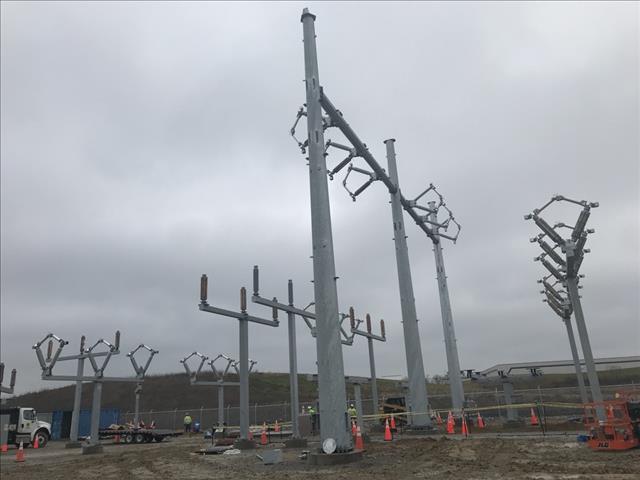
Each February, Engineers Week offers a chance to recognize the extraordinary teamwork behind the reliable electric service our customers depend on every day. Building and maintaining the power grid isn’t the work of a single discipline. It’s a relay race of expertise, with engineers of all kinds working to bring a project across the finish line.
Imagine an electrical engineer in system planning identifies a need for a new 765-kV transmission line because of a customer growth projection.

“As Transmission planners, we come up with the initial scope for the new 765-kV project,” said Michelle Willenkin, a principal engineer. “We run power flow studies on the future transmission system based on what we know about changes in system load and generation, along with other factors. Based on results, we scope solutions.”
But that’s just the first leg of the race.
From there, surveying and geomatics engineers map terrain, existing infrastructure and property boundaries.
Environmental engineers evaluate potential impacts to wetlands, protected species, floodplains and cultural resources.
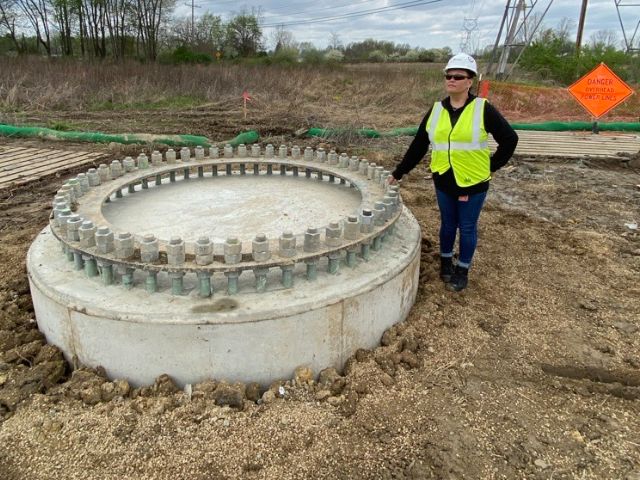
Civil and structural engineers select conductor types, calculate spacing and clearances, determine foundation needs and scope access requirements.
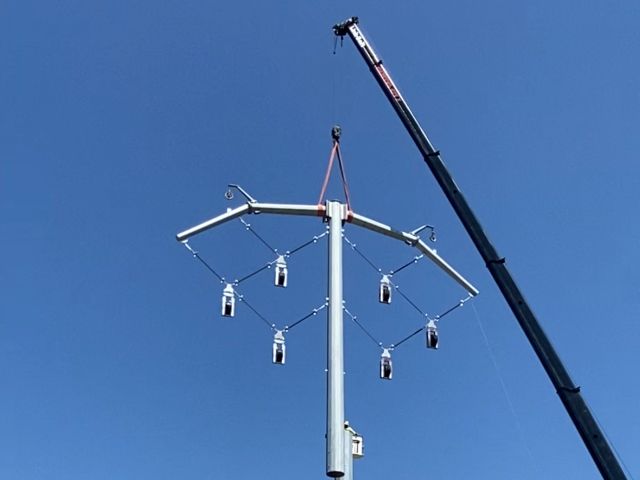
Mechanical engineers optimize components of the project, finalizing hardware and material selections.
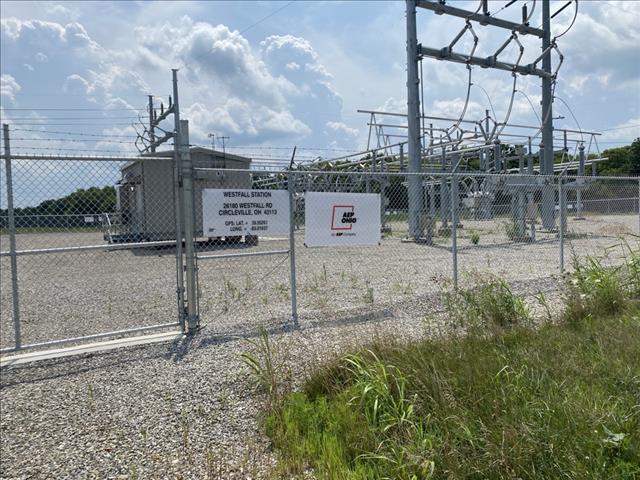
Protection and control engineers configure relays, breakers and automations, while telecommunications engineers design associated fiber and wireless networks.

Construction and project engineers bring the design to life, turning drawings into work plans, overseeing the build, and ensuring safe, timely progress.
“Everything we design, plan and coordinate is ultimately brought to life by our field teams,” said Mitchell Slate, a principal Transmission station engineer.
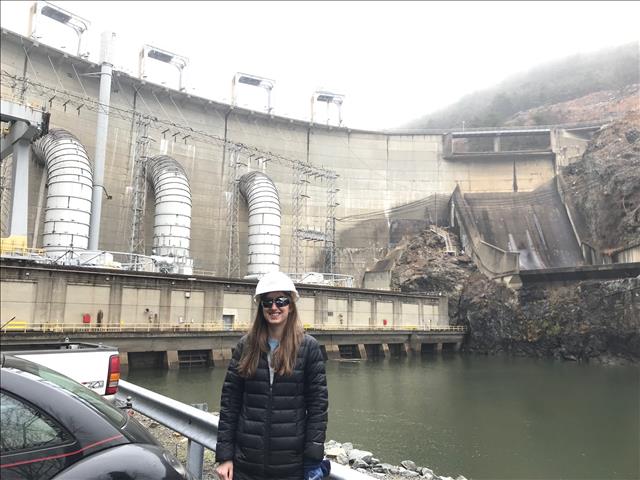
In the anchor leg, operations team members like Kareena Eskeets, a realtime engineering reliability manager, energize and manage the line.
“Our team would evaluate system impacts and perform power-flow and stability studies to ensure the line reliably meets customer demand,” she said.
Across every discipline in every industry, engineers share one truth: They are driven by curiosity to solve problems.
“Engineering isn’t always about knowing the answer, but knowing what resources you have to get to an answer,” said Connor Hull, a senior engineer in Transmission. “It’s about being flexible and creative. There are hundreds of correct solutions to your situation, but knowing which is best or most applicable is the key to being a great engineer.”
And we are grateful to each one helping us shape the future of energy.